
As inequality, inflation, and overwhelming corporate power threaten democracy, a rising-star economist asks what it would mean to create an anti-fascist economics that guarantees dignity for all
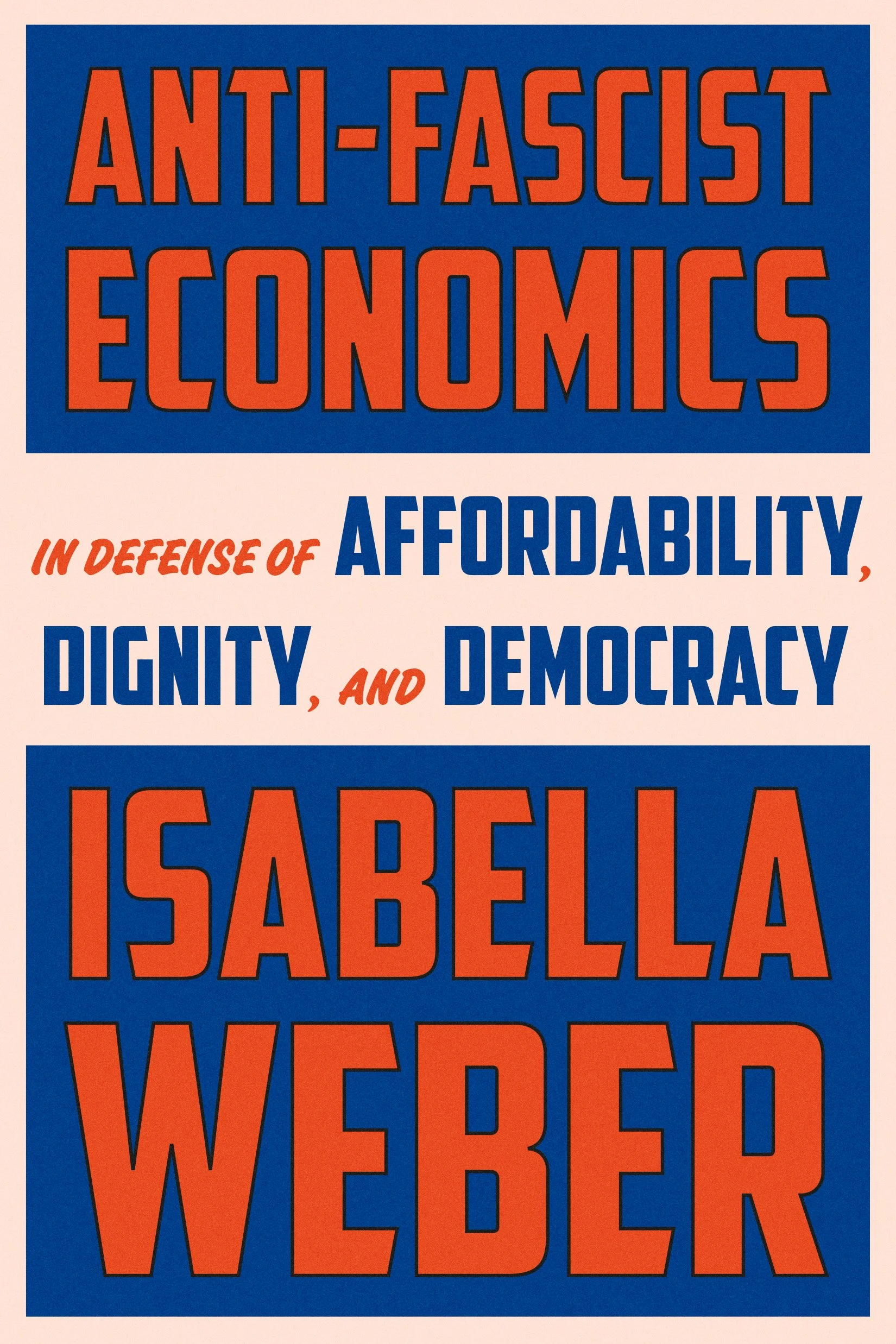
On the night of President Trump’s second presidential victory, economist Isabella Weber tweeted: “Can we now finally have a serious conversation about an anti-fascist economics?” In her view, Democrats had missed the seriousness of the affordability crisis in the wake of pandemic-era inflation. By refusing to step in to protect their constituencies against price explosions in essentials and corporate profiteering, they left room amidst the global crisis for the resurgence of the politics of resentment that Trump and the right reveled in.
Her question, though, was a bold one with implications that reached far beyond one election. In a neoliberal world, we tell people at the same time: Democracy is the highest form of political organization. And: When it comes to the economy, to the material foundation of our life, the best the representatives of the people can do is to subordinate their constituencies to the corporate pursuit of profits. This basic contradiction between the rule of the people and the rule of the market makes neoliberal democracy vulnerable to the threat of fascism, she argues. Economists have too often acted as prophets of market subordination and ended up waxing the slippery slope to fascism. Isabella Weber warns that if we are serious about saving democracy and preventing the further rise of fascists, we need an economics that serves democracy and centers people’s needs and dignity rather than seeing their fulfillment as a welcome side effect in the pursuit of other goals.
In Anti-Fascist Economics, Weber proposes just such a way out. She envisions an economics that centers on essentials for livelihoods and production, that strives to make life on our planet livable for all, that confronts rather than conceals corporate power, and that charts the way towards international cooperation rather than getting stuck in the dichotomy of free trade and trade wars. To halt the further rise of fascism, we need a tangible alternative to the dystopian status quo, she insists, one that takes affordability seriously as a foundation of democracy. In this paradigm-shifting book, Weber recalls a history of mid-twentieth-century economists for whom “never again” was the North star and reinvents their thinking for our day.
Coming on October 13
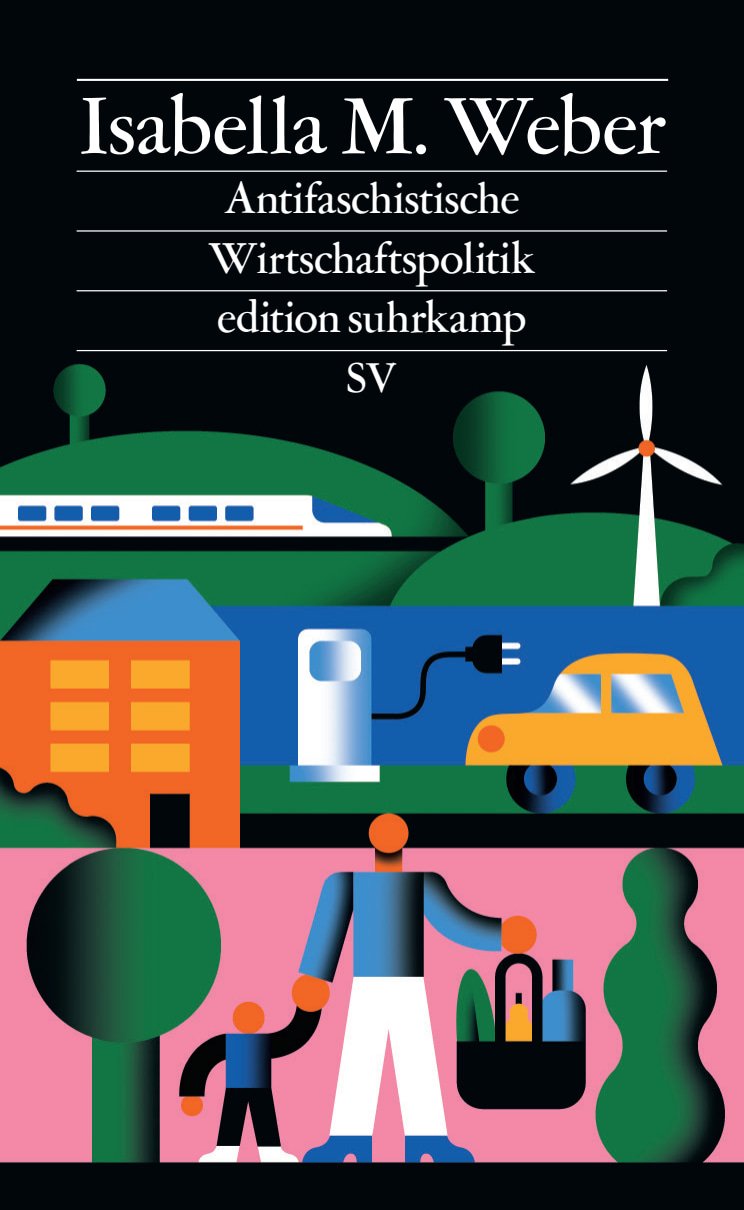
Antifaschistische Wirtschaftspolitik
Warum unsere Demokratie auch von der Wirtschaftspolitik abhängtie
Kurz nachdem feststand, dass Donald Trump erneut zum US-Präsidenten gewählt worden war, fragte Isabella Weber auf X: »Können wir jetzt endlich eine ernsthafte Diskussion über eine antifaschistische Wirtschaftspolitik führen?« Die Demokraten hätten die Auswirkungen der dramatisch gestiegenen Lebenshaltungskosten verkannt und so Trump mit seiner Ressentiment-Politik das Feld überlassen. Ihr Tweet ging viral und setzte eine weltweite Debatte in Gang.
In ihrem neuen Buch legt Isabella Weber dar, wie die Grundzüge eines solchen Programms aussehen könnten: bezahlbare Güter des alltäglichen Bedarfs, demokratische Kontrolle der Konzernmacht, Kooperation statt Nationalismus. Wenn wir den weiteren Aufstieg der extremen Rechten verhindern wollen, so Weber, brauchen wir eine Wirtschaftspolitik, bei der die Bedürfnisse und die Würde der Menschen im Mittelpunkt stehen.
